
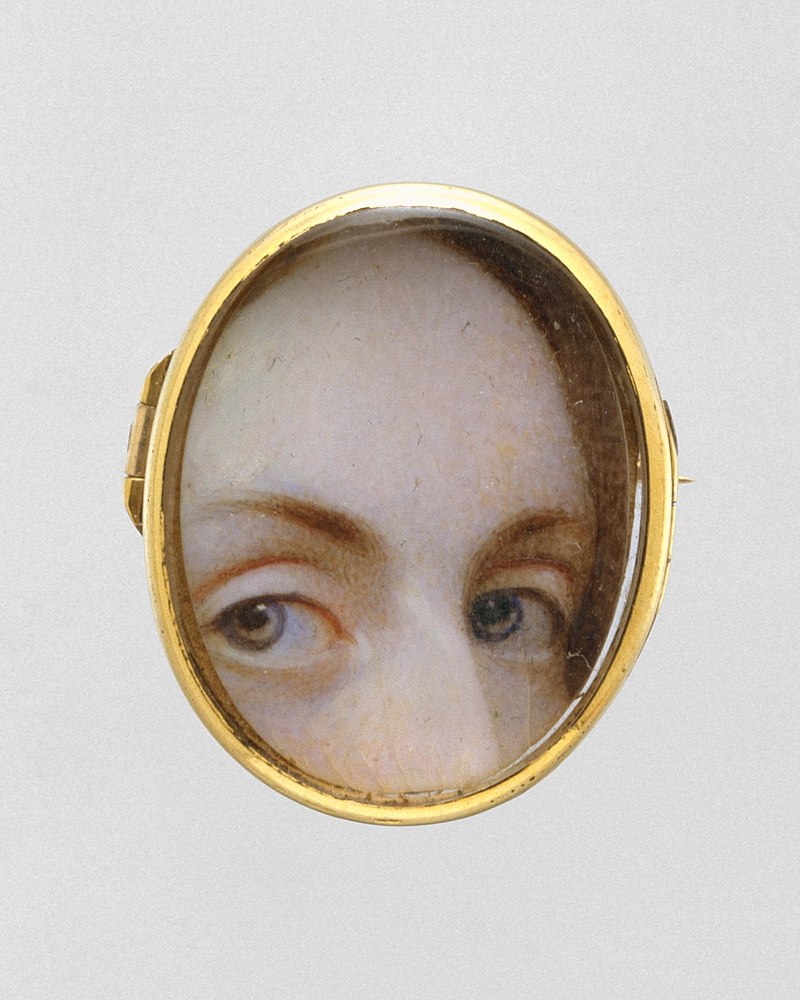
The Writer’s Eye
When I first began writing, I blogged a lot about the craft of writing and my thoughts on writing, pretty much as I went along. When I learned something, I shared. Then life with two careers got very busy and I stopped blogging in favor of writing novels. Now I want to get back to sharing my experiences in writing. Thus, my new weekly post, The Writer’s Eye.
I’ve been writing historical romance for just over 10 years now, and up to now, although I wanted to make it my full-time career, it just wasn’t monetarily feasible. Now, however, being a shiny, new retiree, I’m finally able to make that dream of being a full-time writer a reality.
And the first thing I had to do when I realized I was going to be doing all this writing was develop a plan for this career that is now front and center.
The plan goes beyond “how many books can I write this year,” which was always my biggest concern in years past, although that is obviously a big part of the plan as well. But writers who want to make this a career, have to plan for other aspects of the job as well.
Writers need to make a plan that takes into consideration three things: how many books you will write in a year, how you plan to promote those books, and how you will market yourself or brand yourself to help with those promotions.
For today I’m going to talk about step 1, how to gauge your writing for the coming year.
Know from the beginning that every author writes at a different pace. Some produce 5-6 books per year, some only one. It takes Diana Gabaldon three years to produce a book for her Outlander series.
As you write, you will come to know your normal speed for finishing a book, although that speed may change over time. But knowing that it takes you 8 or 10 or 12 weeks to complete a first draft will help you plan not only for the writing, but for lining up your beta readers, your editor (if you are self-publishing), and your funds to pay for editing, marketing, and promotional opportunities. If you know you can only pay for editing for three books this year, then plan to write those three books scheduling in time to polish them through several drafts.
When trying to gauge how many books you may realistically write in a year, take into consideration things like family events (birthdays, vacations, celebrations) that may keep you from writing, whether you are working additional jobs, and how much actual dedicated time you can devote to writing every day. Be realistic, especially if you have hard and fast deadlines for your editor. If you are prone to writer’s block, take that into consideration as well. Don’t make promises (even to yourself) that you can’t keep.
I also find that actually writing down on a calendar, when I expect to have drafts or books done, helps keep me on track. Especially now when every day seems like Sunday. I usually plan to write a chapter, or 3,000 words a day and I base my writing schedule around this unit. But I also know that “life” happens, and I really won’t get the first draft down in 30 days, so I build in some extra days so if I get called away from the computer for a day or two, I still won’t blow my deadline (or be forced into a marathon writing session). As I said above, once you know your own rhythm of writing, you’ll be able to better gauge how long a novella or novel will take you to write, to revise, to polish. To do this successfully, it really does take some discipline, but be confident you can rise to that challenge.
If you have any questions or comments on planning your books, I’d love to hear them! Next week I’ll be back with The Writer’s Eye and take up Planning Part 2: Promotion.












 Jenna Jaxon Romance--because passion is timeless.
Wonderful post. I’m’ looking forward to reading this each week. 🙂
LikeLiked by 1 person
Thank you, Teresa! I hope it helps all writers a little bit. Experiences vary so much, it’s great to find out what works and what doesn’t in the writing business!
LikeLike