
This post is a re-print of the post I did for Savvy Authors earlier this month. I’ve changed it a bit, so please enjoy it again!
Romance writers are always encouraged to use all five senses when they write, in order to draw their reader deep into the point of view of their characters. I have been exploring the importance of each sense and suggesting how writers can use the senses more effectively in their work. Today’s blog continues that series with a look at the most sensual sense: touch.
The mechanics of the sense of touch are different from those of the other four senses. Sight, smell, taste, and sound are each located in one specific part of the body. Touch is located everywhere. This sense originates in the dermis, the deepest layer of skin. It contains thousands of nerve receptors that, when stimulated, carry messages of pain or pleasure to the brain via the spinal cord.
Of greatest interest to the writer, however, is the fact that touch is experienced over every inch of the body. Immediately, the possibilities for the use of this sense explode. Any part of a character’s body can be described as feeling some stimulus and can therefore be affected by it. Heroines can delight in cool sand between their toes, revel in the heat of the sun on their face, or shiver as an ice-cube slides down their back.
Describing an intimate touch is the stock in trade of the romance writer. We’ve all written love scenes and, from sweet to scorching hot, the sense of touch figures prominently. A kiss is a mere touch of the lips—but in the hands of a skilful wordsmith, it is an event that will rock the reader to her soul. Well written, smokin’ love scenes transport the reader into the scene most often through depiction of the sense of touch. Catherine Texier, in the article Awaken Her Senses, describes exactly how revealing a man’s touch can be: “The touch of a man is his imprint, his signature. How soft or callous his hands are, how dexterous his fingers, how insolent and bold, how sensual or rough his handling of your body. . . . Each one of his moves reveals his character, his mood of the moment, and his knowledge of you.”
When all is said and done, however, what we are talking about is the skilful use of language. Writers create everything using the exact words that will evoke the senses in the reader. Channel that language into your writing and your readers will “feel” right along with your characters.
A quick excerpt from my WIP Only Scandal Will Do, the hero and heroine’s first kiss hopefully illustrates that all important sense of touch:
She felt every magnificent swirl of his tongue, not only in her mouth but in the deep, private places of her body as well. Katarina moaned into his mouth, the low, guttural sound coming from some unknown reservoir of need. Pressing him to her, her hands slid up the steely hard muscles of his back, evident even through his cloak and clothes.
Do you include the sense of touch in your writing as much as you should? Do you create opportunities for your reader to feel everything right along with the characters? Please leave a comment and thanks for sharing!
If you’d like to see more of my work, below are links to my two published short stories. Click on the cover to purchase a copy !




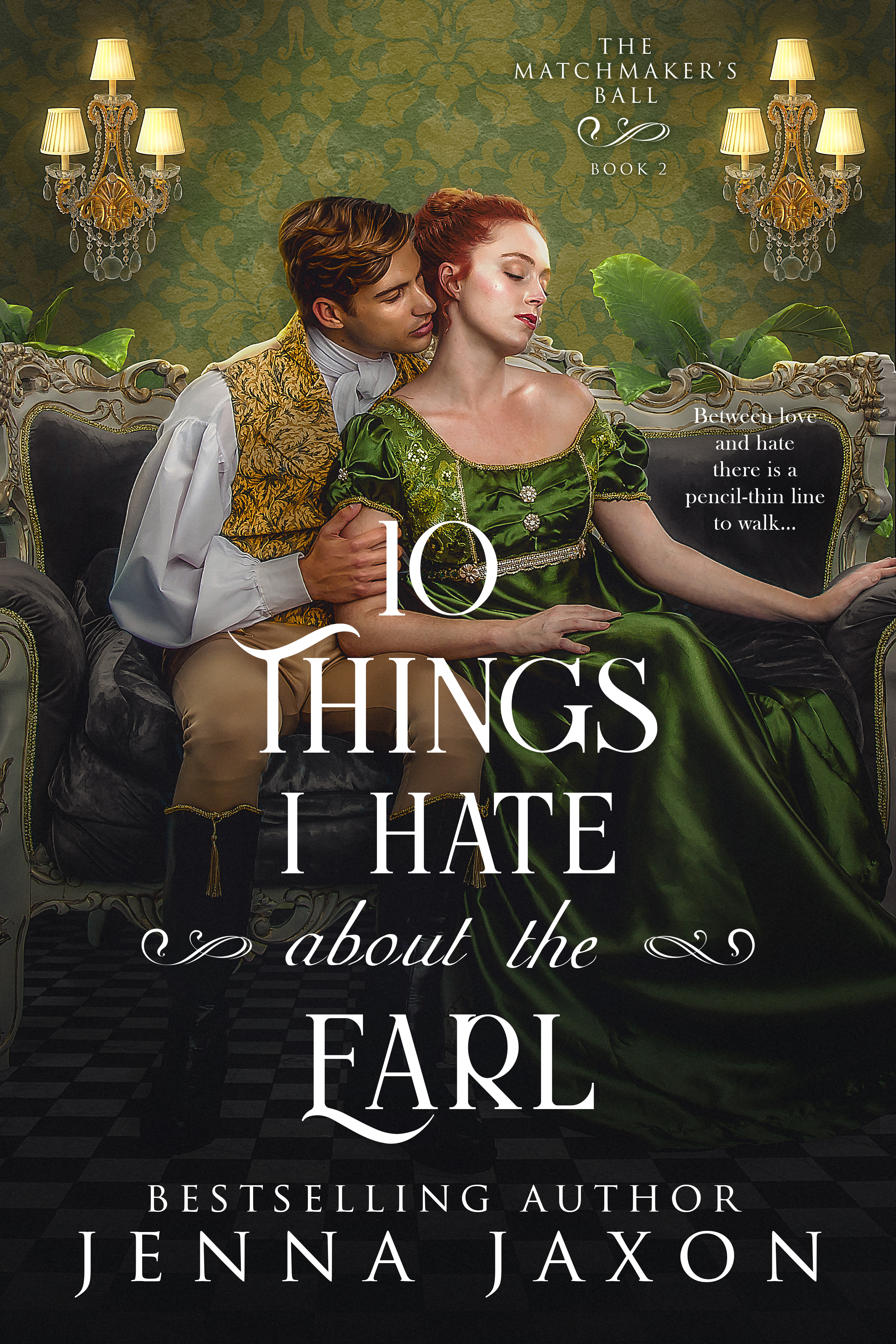





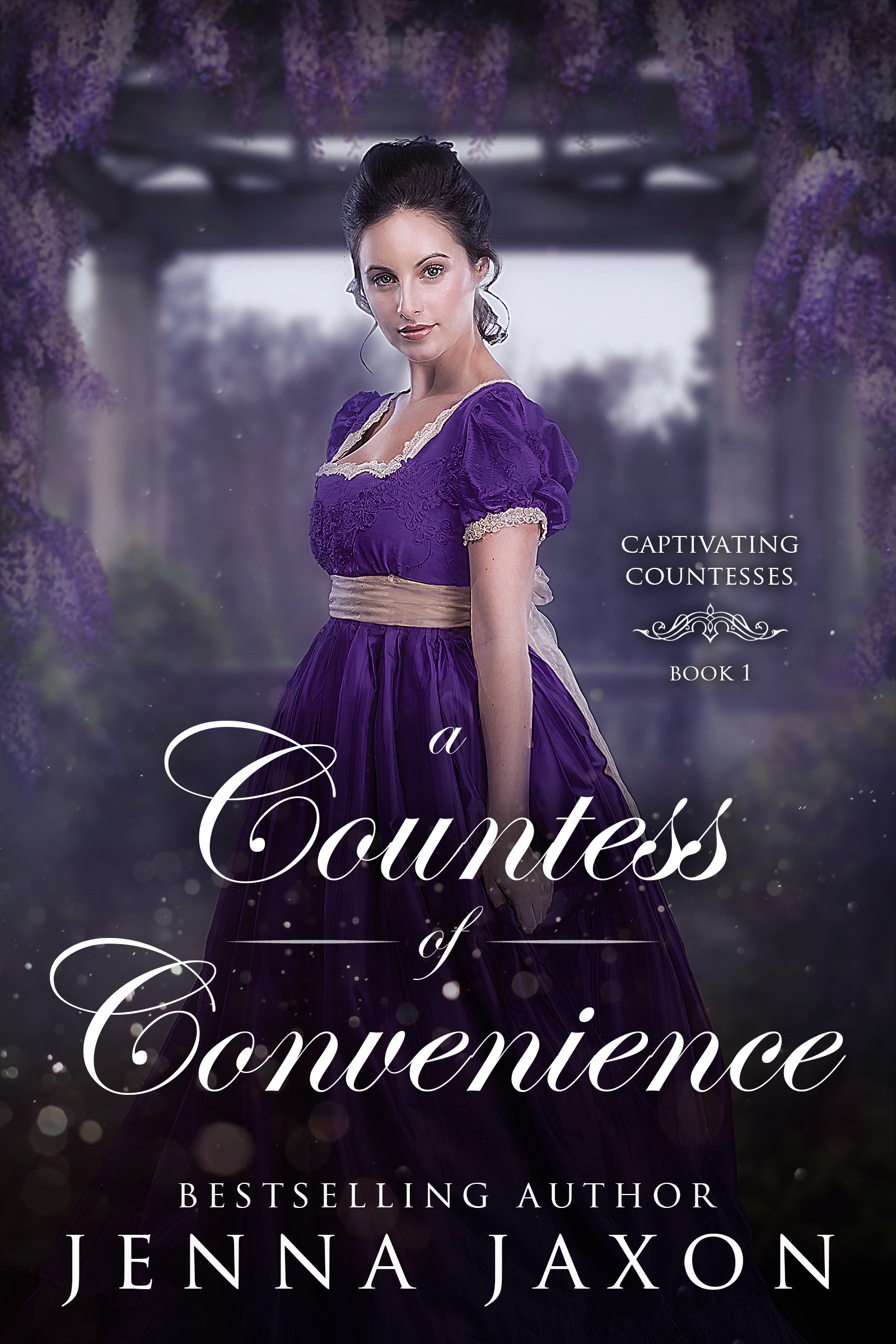









 Jenna Jaxon Romance--because passion is timeless.
Dirty Dancing! Patrick Swayze-missed so much. Love that movie. Thanks for the great post. I’m trying to incorporate more of the five senses in my writing 🙂
LikeLike
Dirty Dancing is one of my favorite romantic movies! It truly does make a difference in your writing when you include the senses. It can be almost like channelling the character. Thanks for coming by, Jennifer!
LikeLike
I really liked your explanation of why touch is different from our other senses, and then you expanded on it. Your reminder that touch doesn’t belong to just the one touching or the spot being touched – but is in fact a full body experience will give a deeper impact all around. Nice blog post and article for Savvy.
LikeLike
Thank you, Sheri. It never registered with me that touch is found everywhere (not just mouth or nose or ear) until I started doing research for this post. But that knowledge opens up so many possibilities that we may not think of. Glad you stopped by. 🙂
LikeLike
Loved this article on Savvy Authors. Now it seemed even better, if possible!
I think most authors struggle with incorporating all the senses into their story. I often layer in more sensory detail in final revisions.
LikeLike
Layering is a good way to get those details in. The first draft is often an info dump of sorts, just getting everything down before you lose it. Then subsequent revisions can finesse the details–including your senses! Thanks for coming by again, Lisa. I appreciate it. 🙂
LikeLike
I think I saw this before, but it’s worth reading again. Good reminders, thanks!
LikeLike
You’re right, D’Ann. It was up on the Savvy Author’s site on August 7, but some people missed it because *slaps head* I forgot to post that it was going up until it was too late. So if you read did read it before now you have the pretty picutres to look at as well. 🙂 And the excerpt too. But thanks for the vote of confidence! I do appreciate that.
LikeLike
Great Post. This is your forte! And I love the Picture of Patric Swazey!
LikeLike
This is one of my favorite romantic movies. That leap at the end–man I always wish it had been me! Thanks, Casea! 🙂
LikeLike
Jenna, this is pure awesomeness!!! Thank you!!!
LikeLike
You are so welcome, Brenda! Glad you liked it. Hope it is helpful! 🙂
LikeLike
Oh this is a great post! I am sorry I missed it before but thank you for putting it up again!
I find myself thinking out sensory details often when reading and writing and this post just makes me feel better!
LikeLike
Thank you, Carrie. Yes, using the senses is vital in romance writing. The more we can get in there (without sensory overload), the better, more vivid our writing. So glad you enjoyed it and thanks for stopping by! 🙂
LikeLike