 Good Morning and Happy Tuesday!
Last week I held my Motorcycle Madness Contest and had a blast! Everyone seemed to like my excerpt and three excited winners are now enjoying copies of Hog Wild.
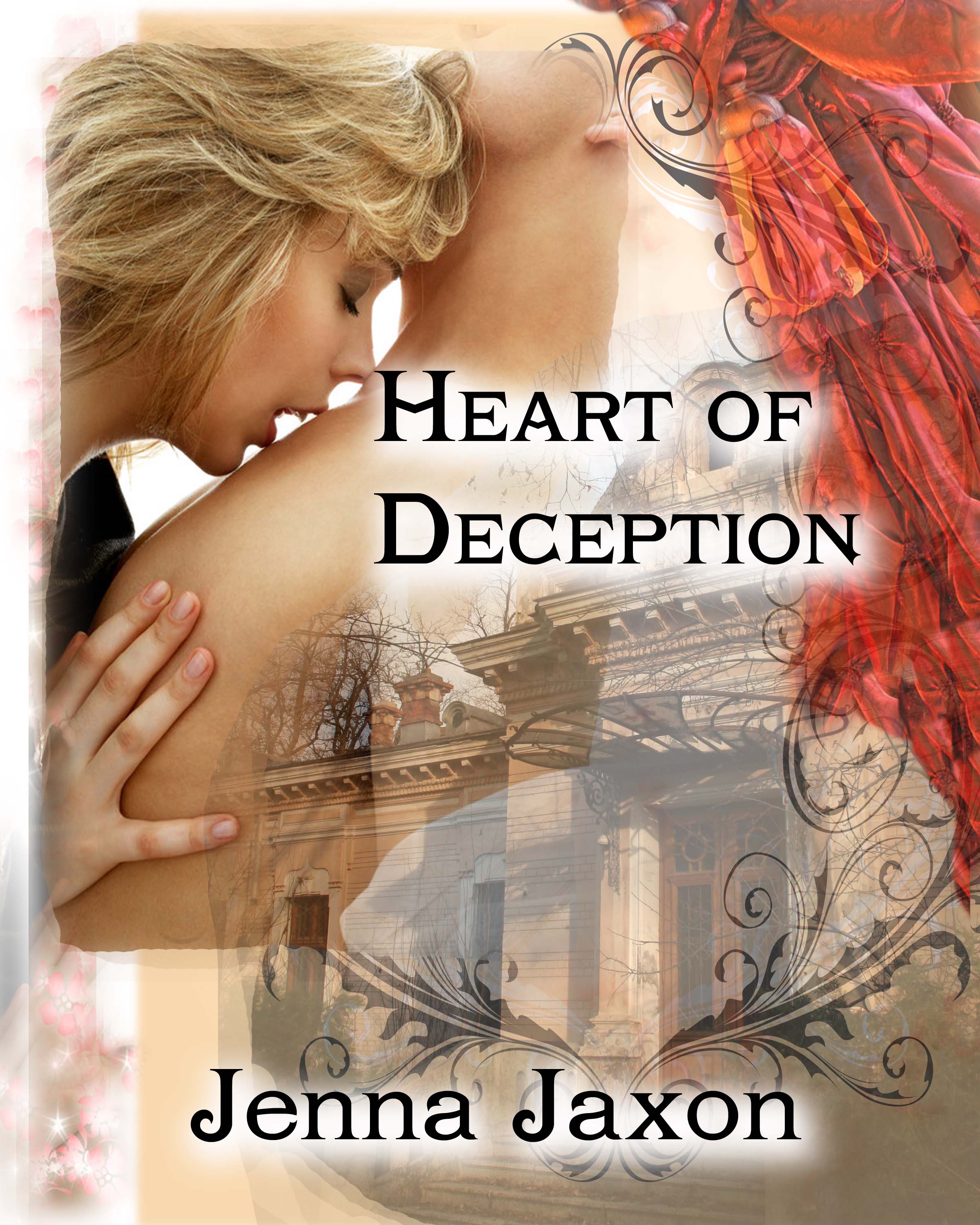
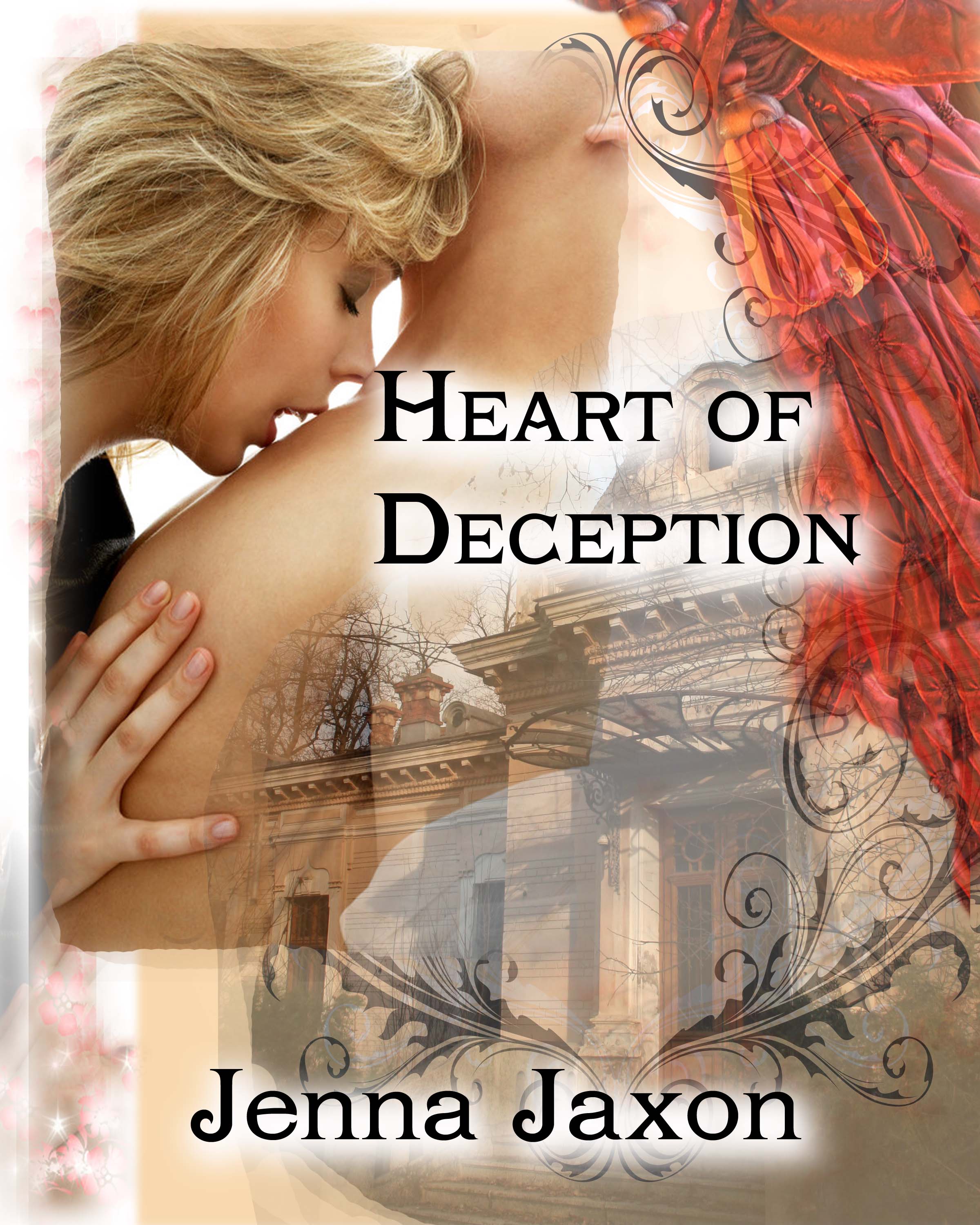
So today I decided to do the same thing for my historical romance. My Here’s My Heart Contest will give away copies of Heart of Deception to three lucky winners. Same as last week, all you have to do is leave a comment on this blog, my Facebook Author Page, or on Twitter. At the end of the day, I will pool the comments from all media sources and do a random drawing. And if you comment in all three places, you have three chances of winning!
FYI–here are some little known facts about this short story:
1) It won third place last year in a short fiction contest sponsored by a writer’s conference in my area.
2) It was my very first work contracted for publication.
3) For those of you who follow Six Sentence Sunday, it was inspired by my novel As Long As You’re Mine that you’ve been following the past few weeks.
Below is the blurb and an excerpt from Heart of Deception, to whet your appetite even more!
Heart of Deception Blurb:
Celinda Graham—young, naïve, passionate—is head-over-heels in love with Andrew Finley, Viscount Hurston and insists on marrying him. Unfortunately, Andrew’s family has been feuding with Celinda’s for generations. When her father refuses to allow the marriage, Andrew proposes a scandalous way to get his approval. But Andrew has a secret that may spell disaster to his plans if Celinda finds out he is not what he seems.
Heart of Deception Excerpt:
“Then what can we do, my love?” Despair returned, heightening her anguish. “The season is in full swing and Papa has decreed I must choose a husband this year. He was quite vexed that I did not last year and has threatened that if I don’t choose someone appropriate he will choose for me.” Celinda shuddered. The men her father mentioned as “appropriate” was ludicrous. Andrew tugged her into his arms.
“Would someone of his choosing be such a tragedy?” His face buried in her hair, his warm breath against her head heated her whole body.
“Ugh, yes.” She snuggled further against him. The clean scent of his cologne enveloped her, making her want to burrow inside him. Closing her eyes she sighed. “The men he suggested are terrible. Old and titled and stodgy.”
Andrew laughed and released her to stand at arm’s length from him. “I’m old and titled. Do you think if I can prove to be stodgy he would approve of me then?”
Celinda giggled. “Oh, Andrew, you aren’t old. And you must not become stodgy! How could I ever cope with a husband who bored me to tears?”
His raised eyebrow, a sudden devilish puckering of his lips, and her breath caught. This man had thrilled her with his attentions from the beginning. Life with Andrew would always be exciting, even dangerous. She shivered in anticipation.
“Celinda, I have an idea how we can gain your father’s approval for our marriage, but it’s rather daring. I don’t know if you would agree to it.” His eyes glinted with a roguish flare. “I don’t know if you should agree to it.”
As if an icicle had been drawn down her spine, gooseflesh rose on Celinda’s arms. “What is it, Andrew?”
“Scandal, my love. But it would make sure that we could marry.”
“Scandal?” Her voice squeaked.
He smiled wickedly as he drew her head towards him. “Let me whisper it in your ear, love.”
And just what is he planning? Leave me a comment or two or three and be entered to win Heart of Deception and find out!
Heart of Deception is also available for purchase at Books to Go Now, Amazon, Barnes and Noble, and All Romance Ebooks.


















 Jenna Jaxon Romance--because passion is timeless.
